During the Framlingham Photo Project, a series of photos was taken of scenes in Framlingham at the time (2011), and paired with older photos taken at various times in the past.
Sometimes there is more than one “then” or more than one “now” photo of a scene.
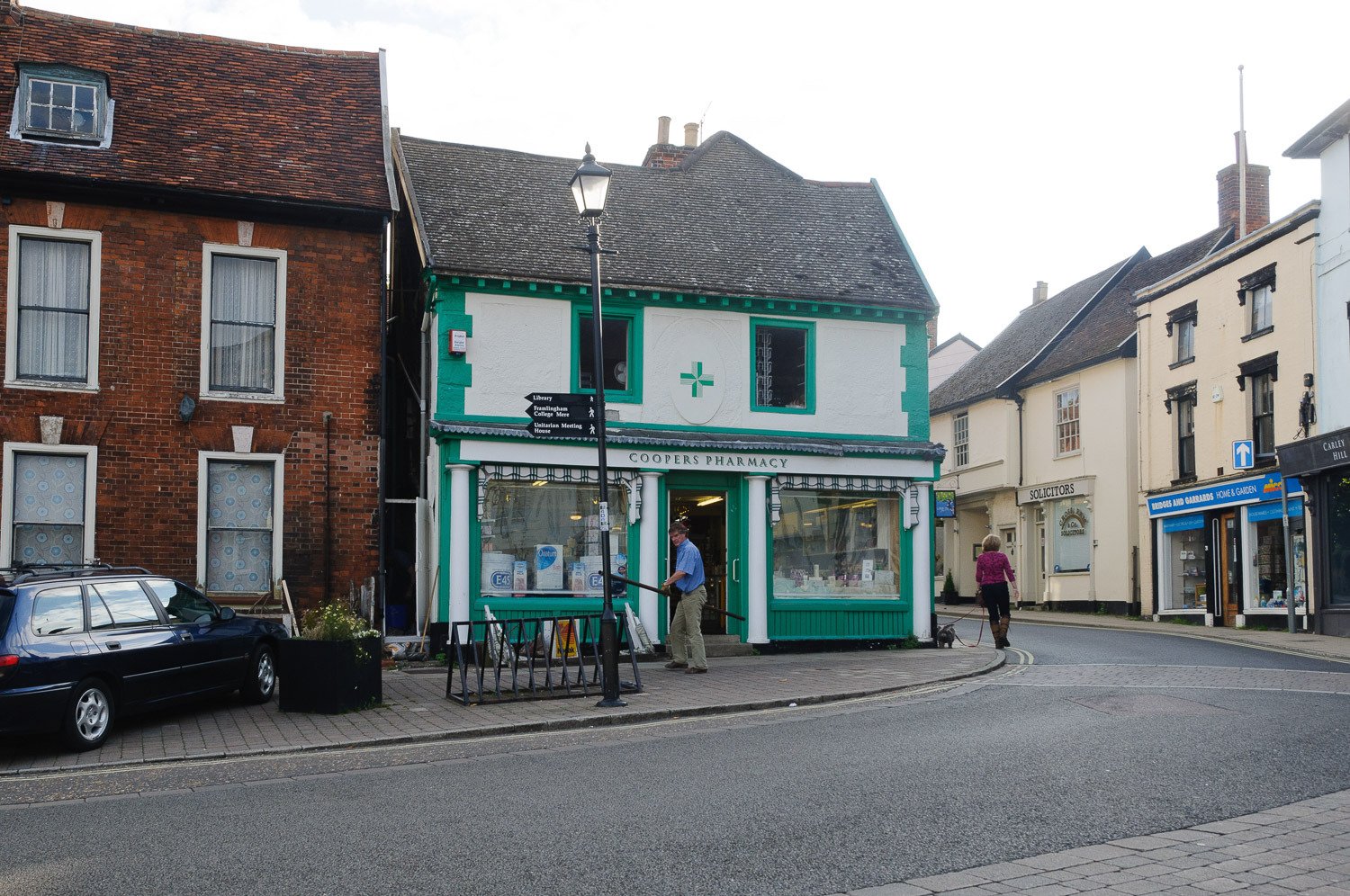
The remarkable thing is how little the buildings in central Framlingham have changed in 120 years. A number of shops even sell the same goods. There has been a chemist in the shop at the top of Market Hill for 140 years, the Crown Hotel is still there (alas, many of the other pubs have gone), Garrards hardware store is still there (it became Bridges and Garrard and is now Coopers Hardware Store), and the Post Office in Riverside is virtually unchanged externally from when it was built in 1909. The price of stamps has gone up a bit, though.
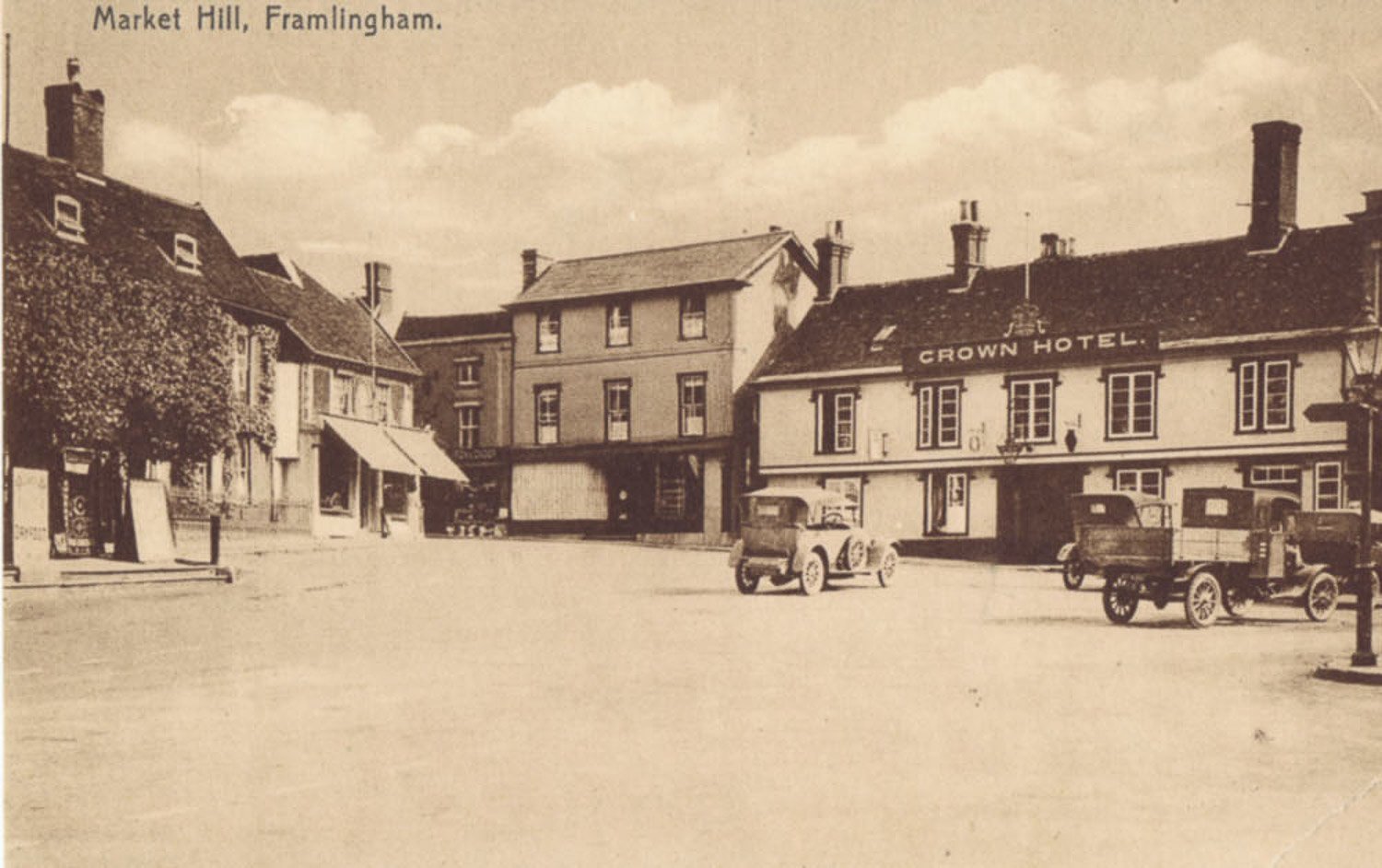
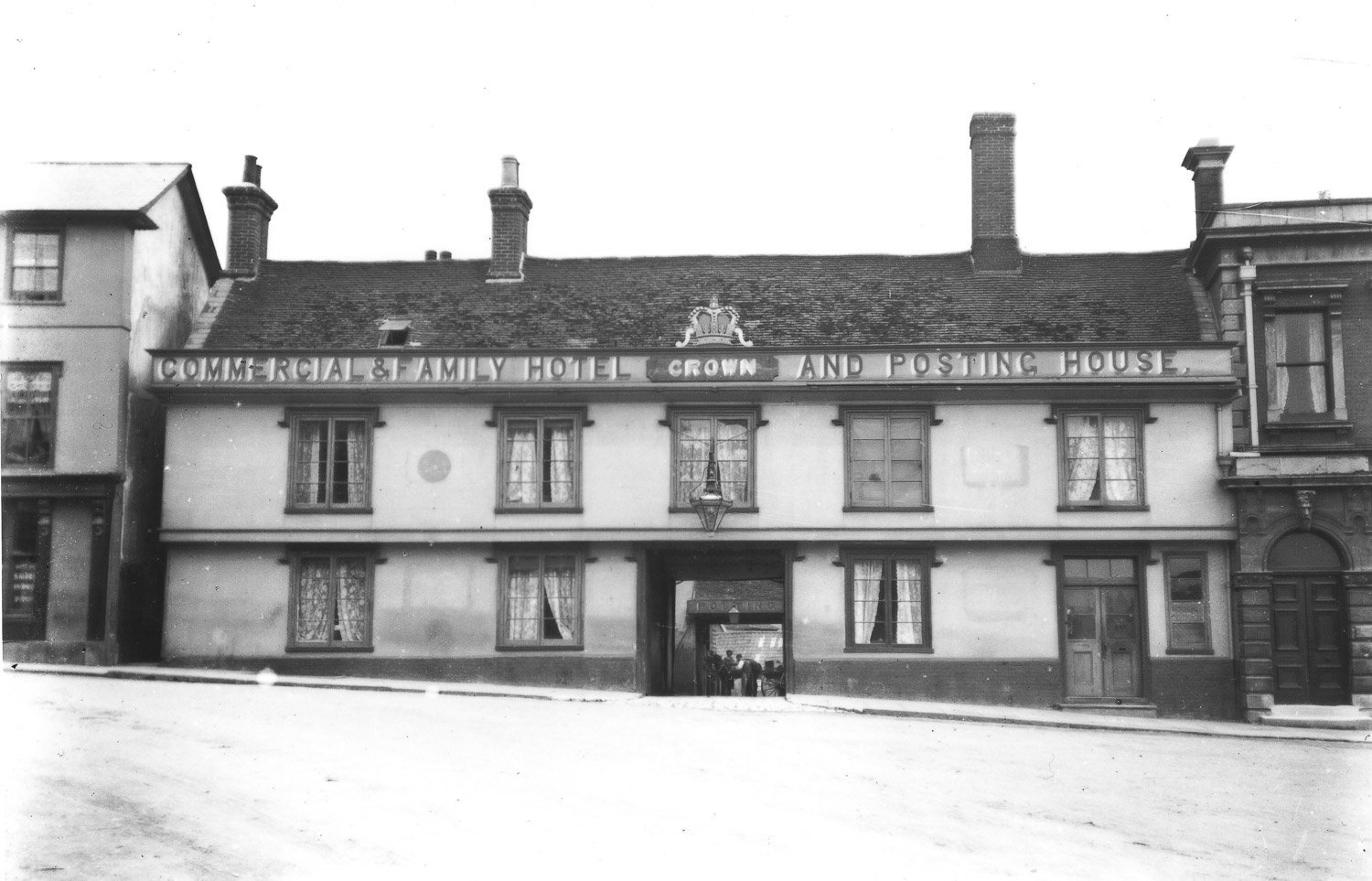 Crown Hotel, c.1906. John Cobbing was the proprietor at this time. The carriageway through to Fore Street harks back to the days of coach travel, and was not enclosed until 1952.
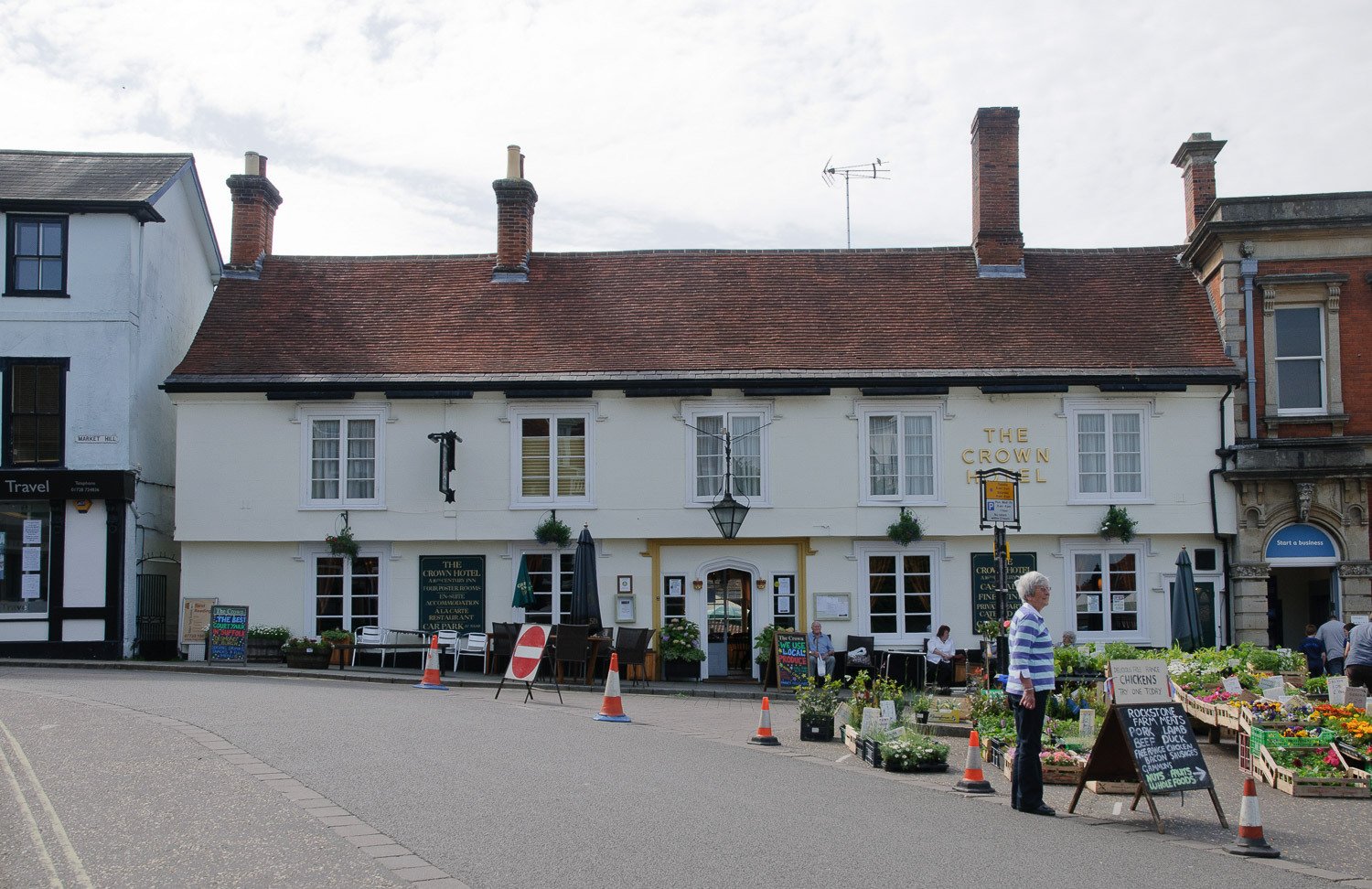 Crown Hotel
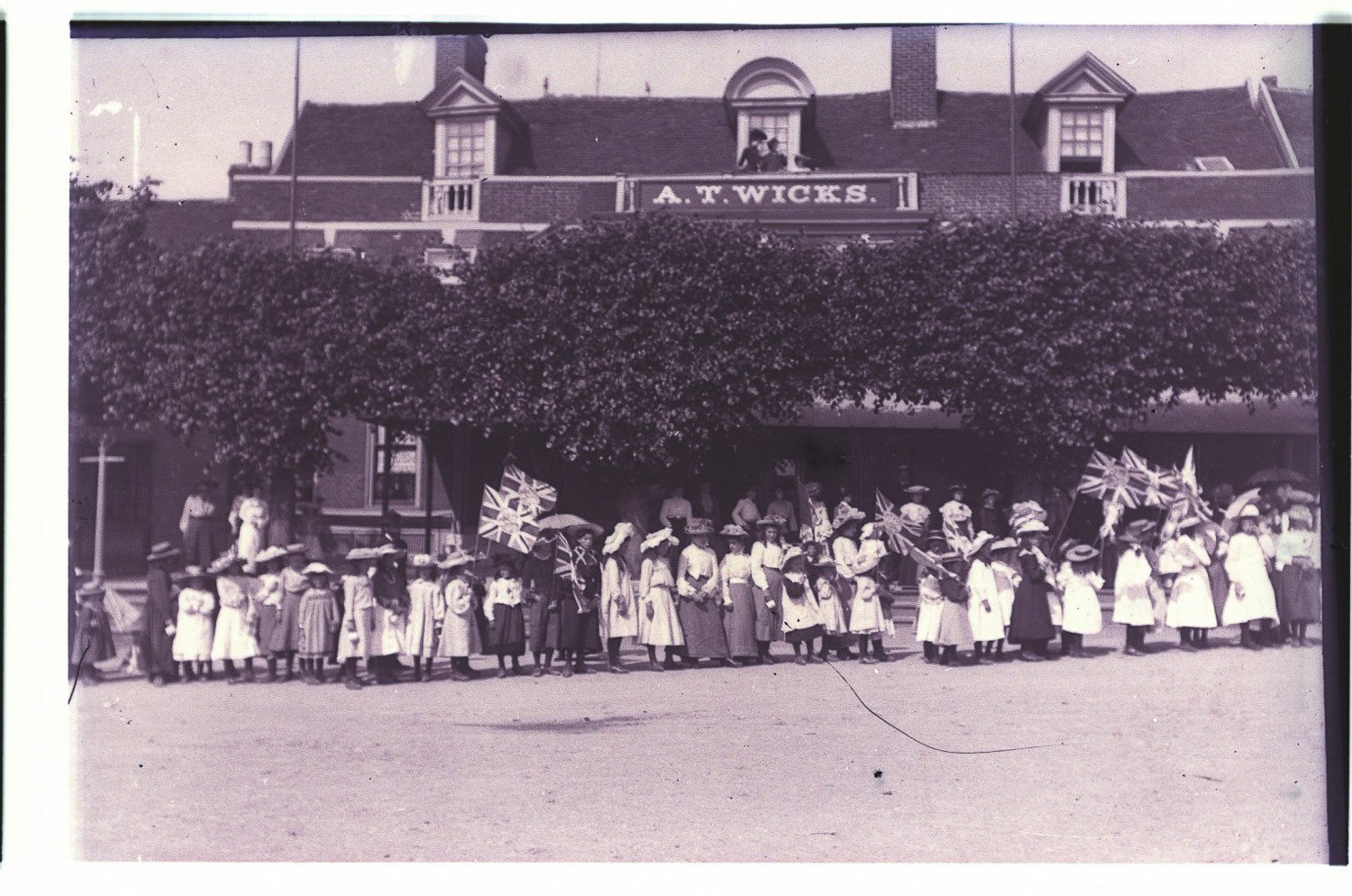 A T Wicks offered high class dressmaking, drapery, millinery, outfitting and a boot warehouse from his Market Hill premises, for which he adopted the name London House. The telephone number in 1908 was 14, and it was still the same in the 1950s.
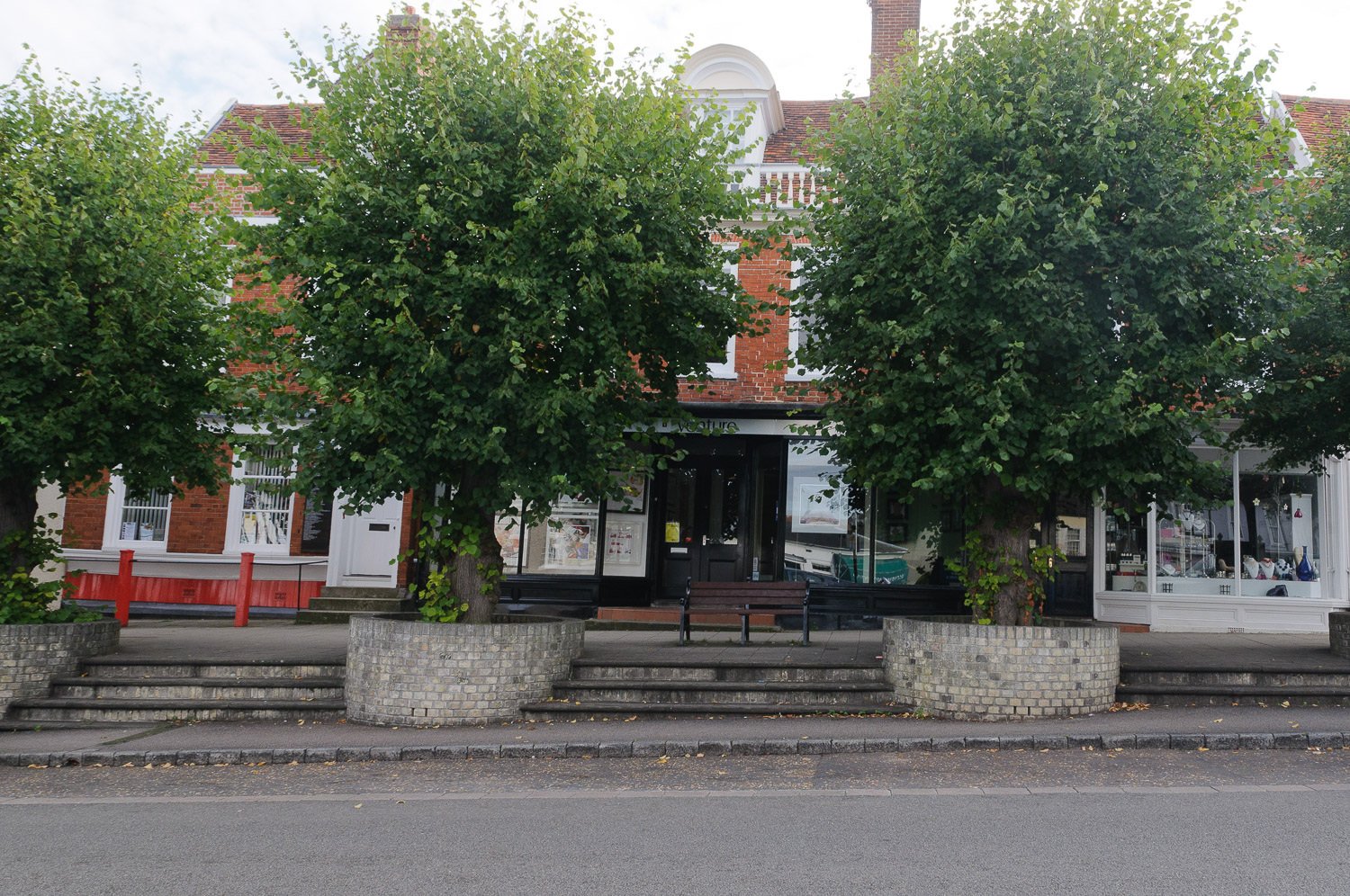 Market Hill, the former A T Wicks store
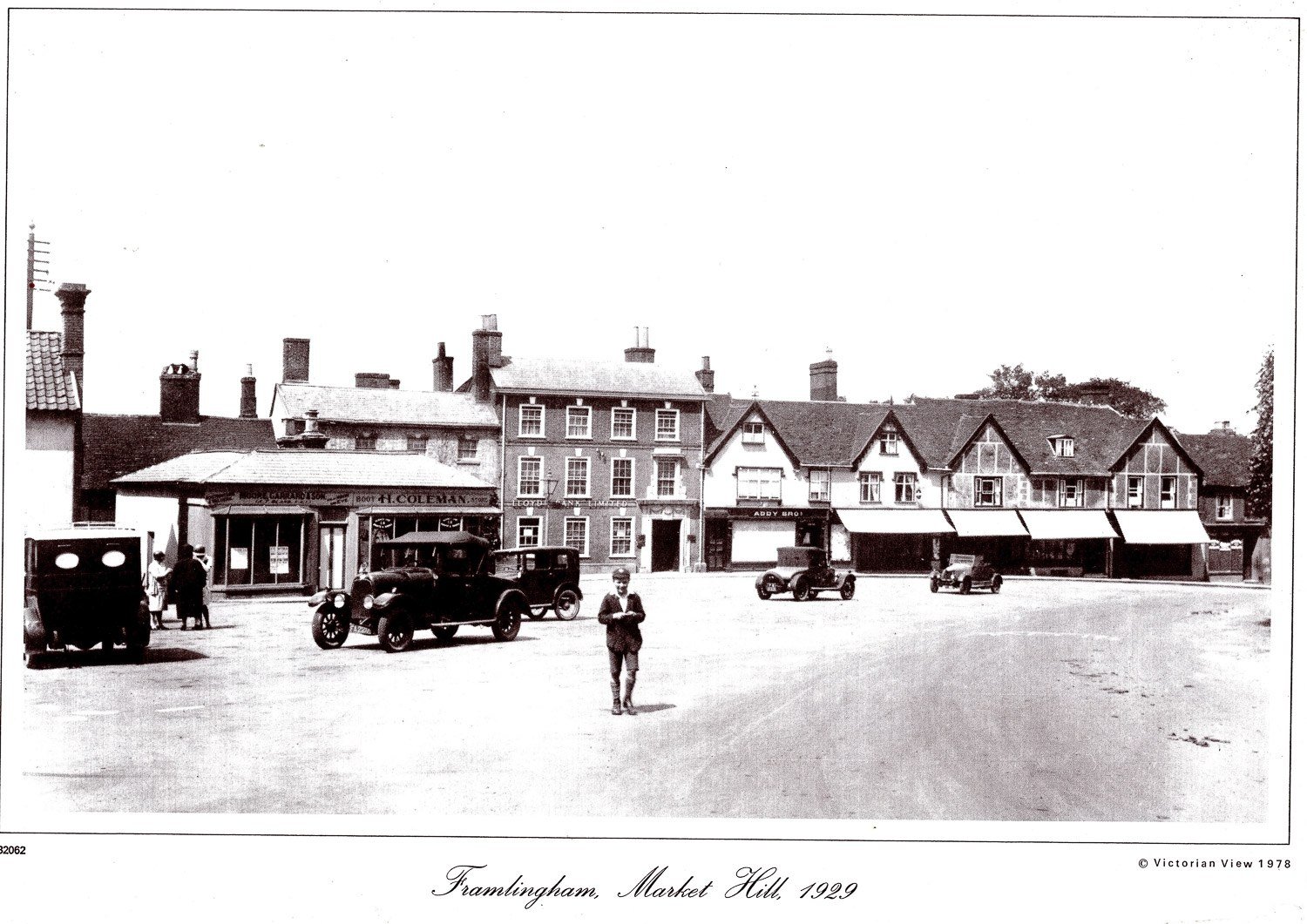 Market Hill, 1929, from a 1970s postcard
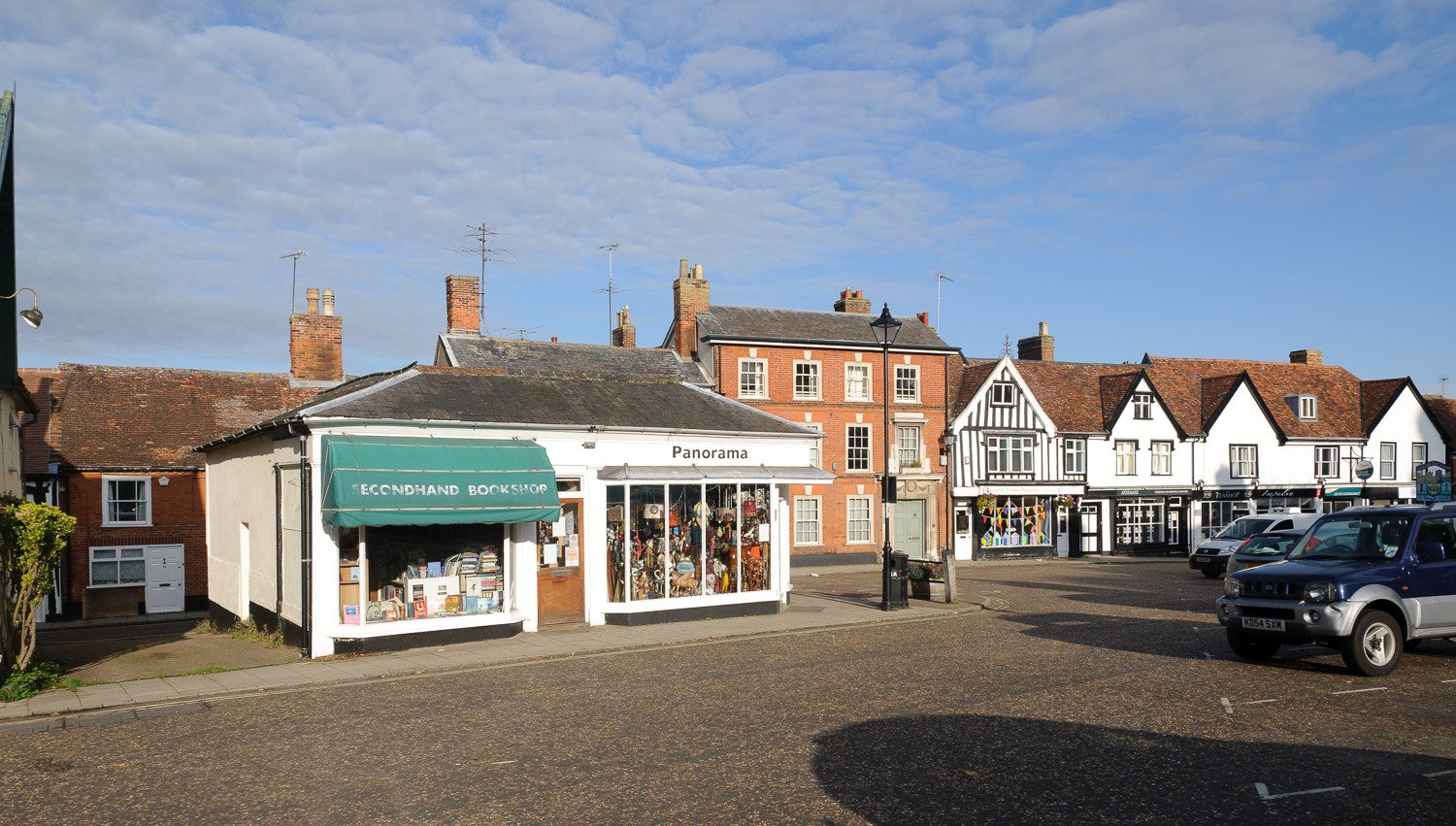 Market Hill.
 Four vehicles are evident on the Market Hill, with no concerns over parking, and with a convenient gas lamp at night.
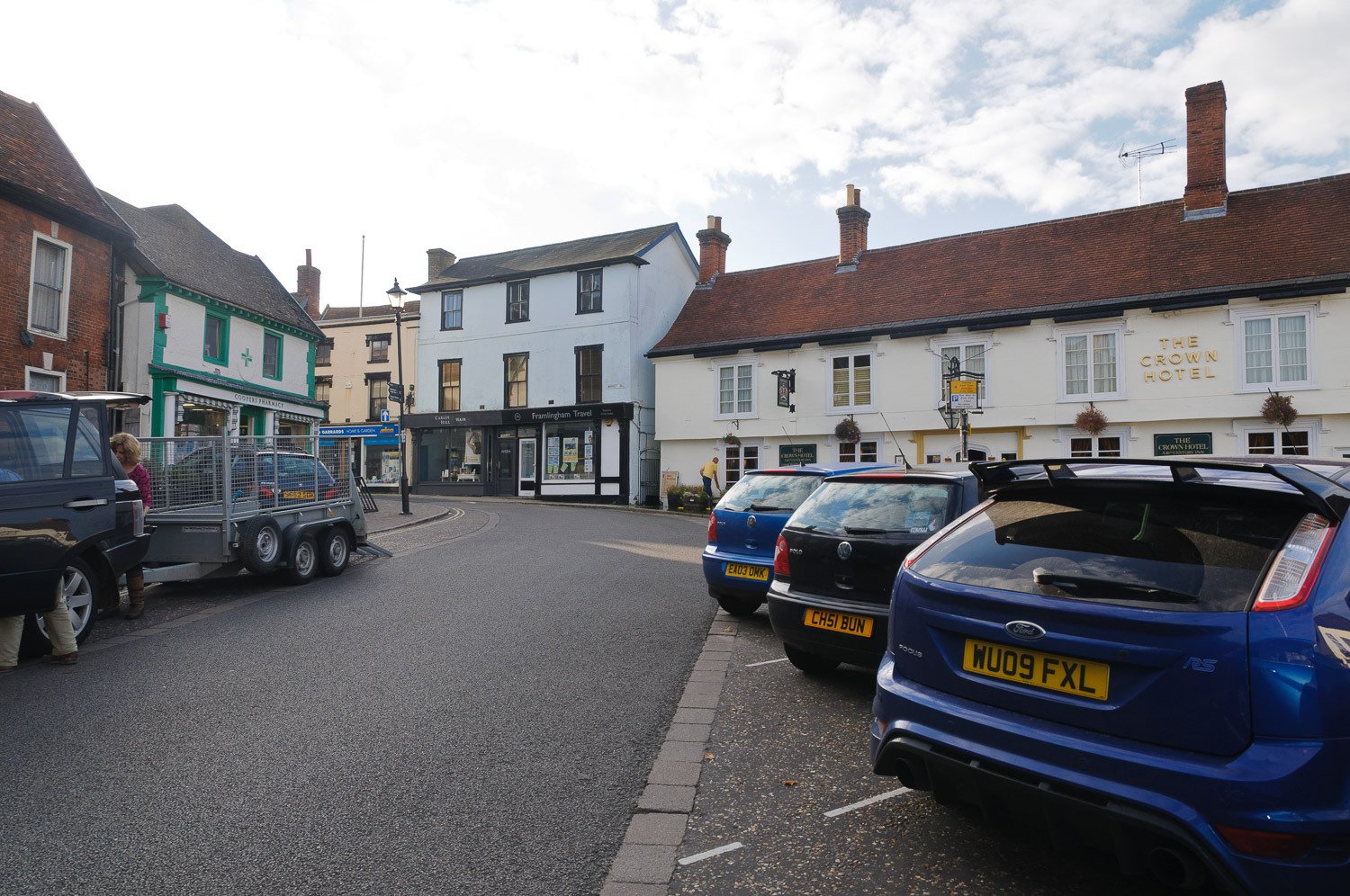 Even on a Sunday morning, Market Hill is never empty of cars!
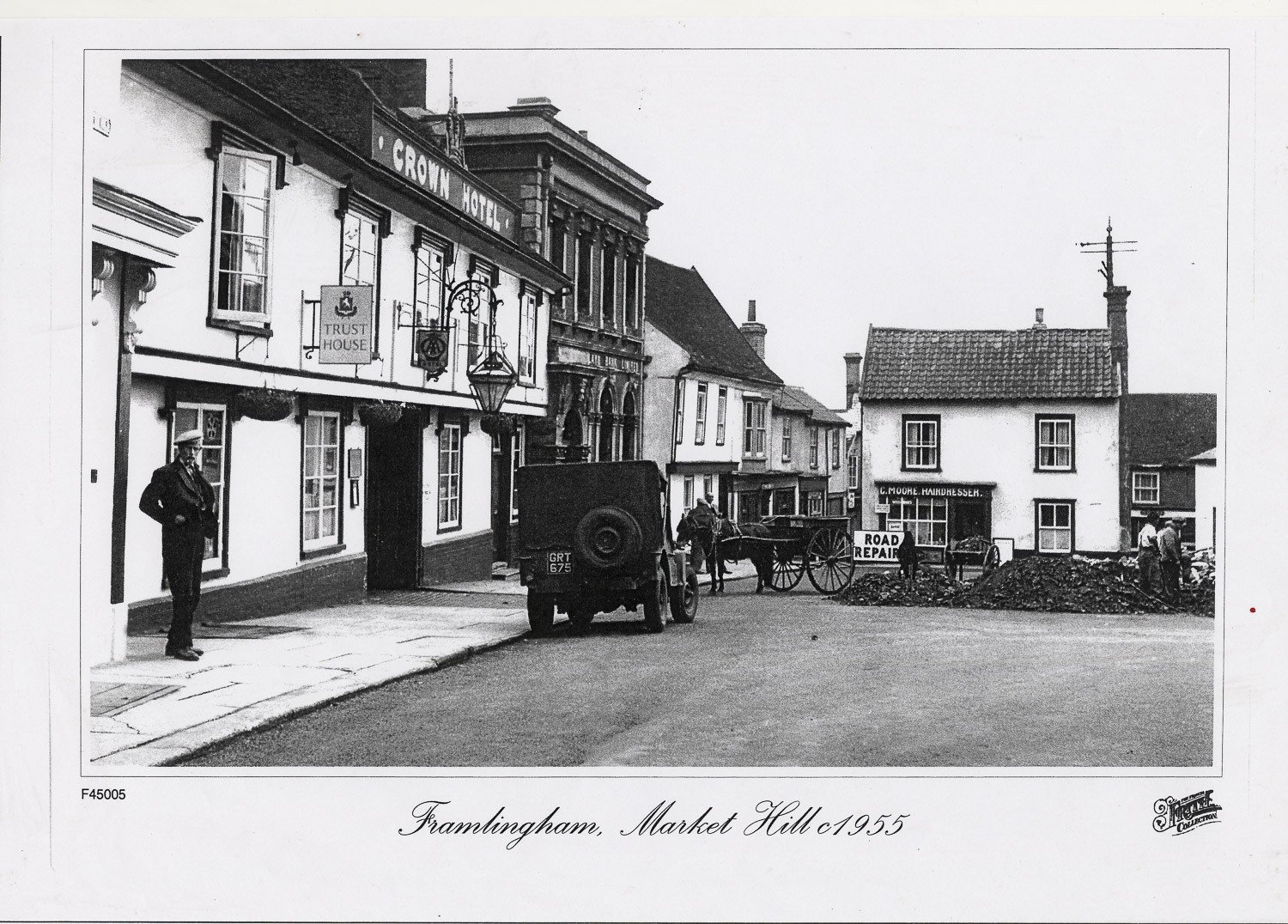 Note the horse-drawn cart.
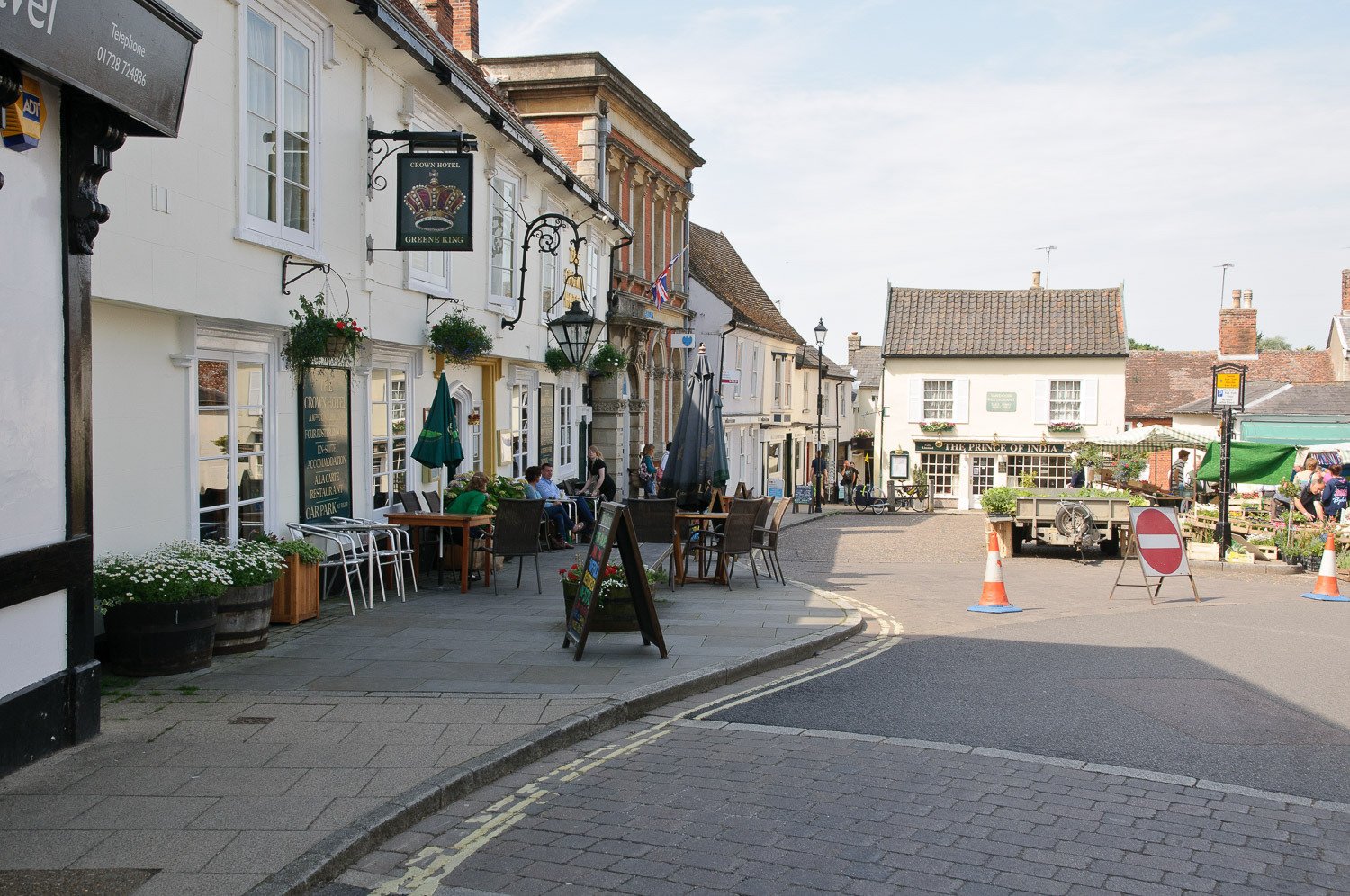 On a market day with market stalls filling the square
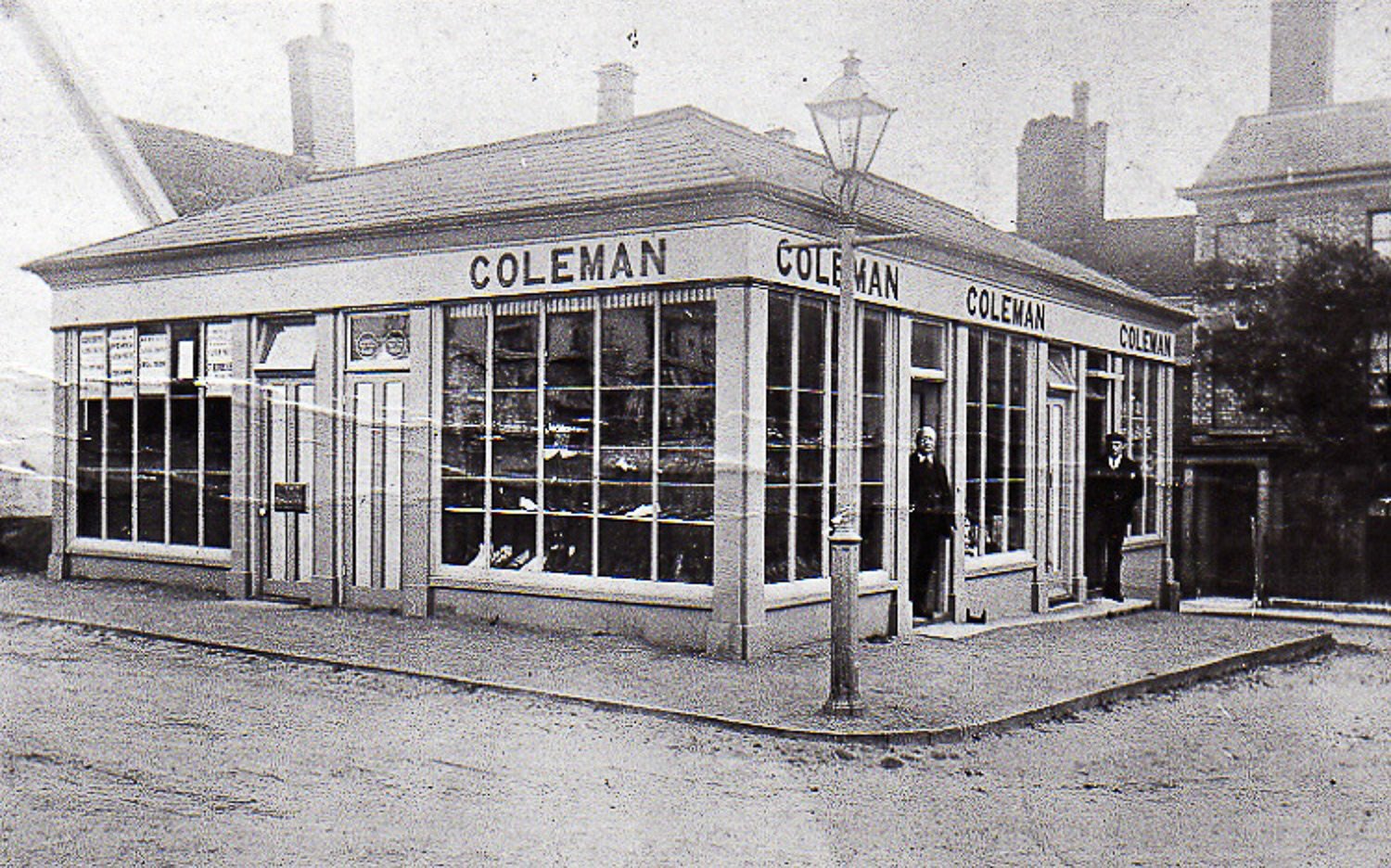 Henry Coleman was one of several bootmakers in the town, and proclaimed to be patronised by the Duke and Duchess of Hamilton and Brandon, who lived at Easton Park. Boots and shoes were mainly hand made until until after the First World War, when factory produced items took over. Henry Coleman is to the left, along with Alfred Kerridge.
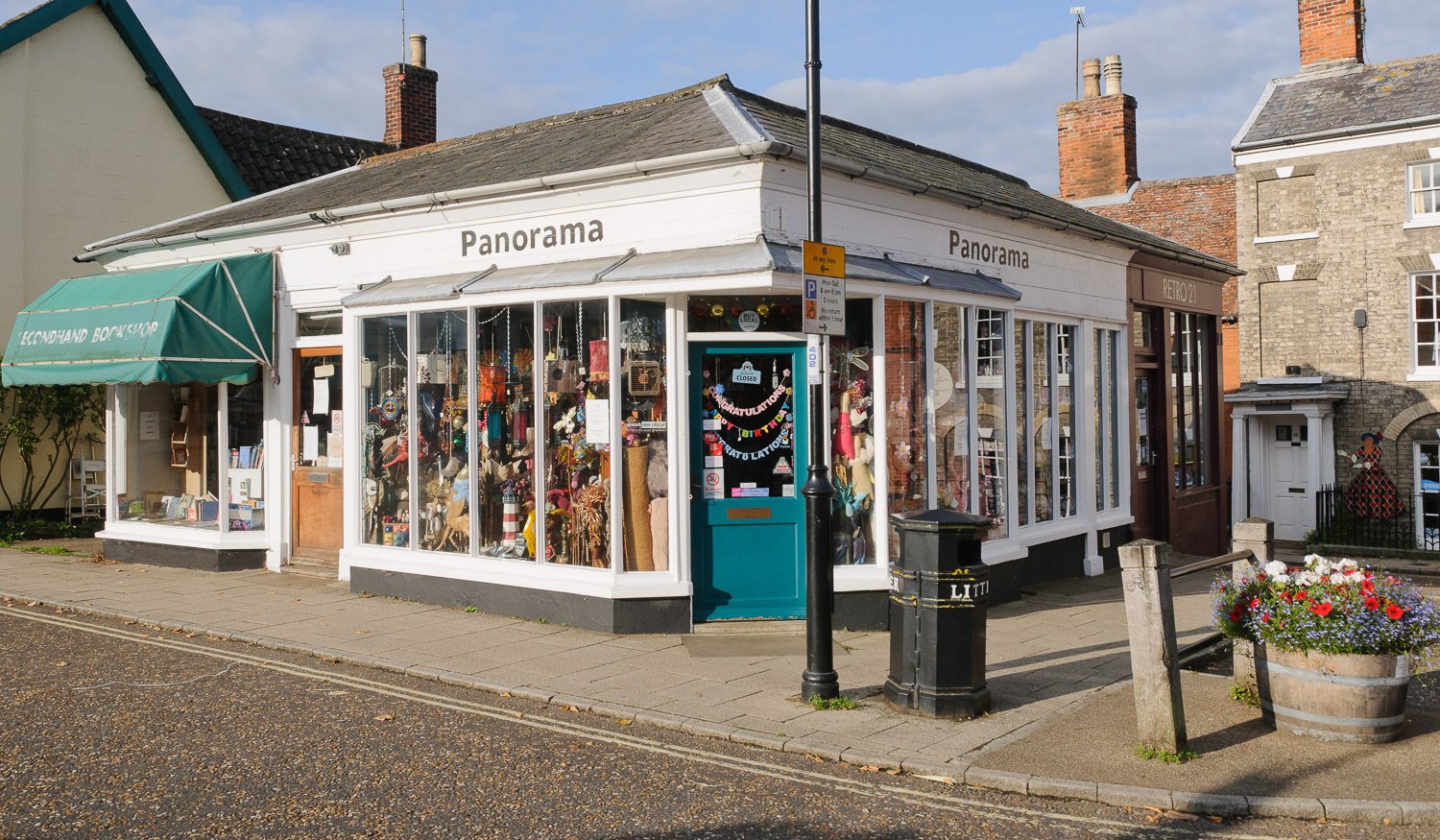 Former Colemans bootmakers store, now Panorama
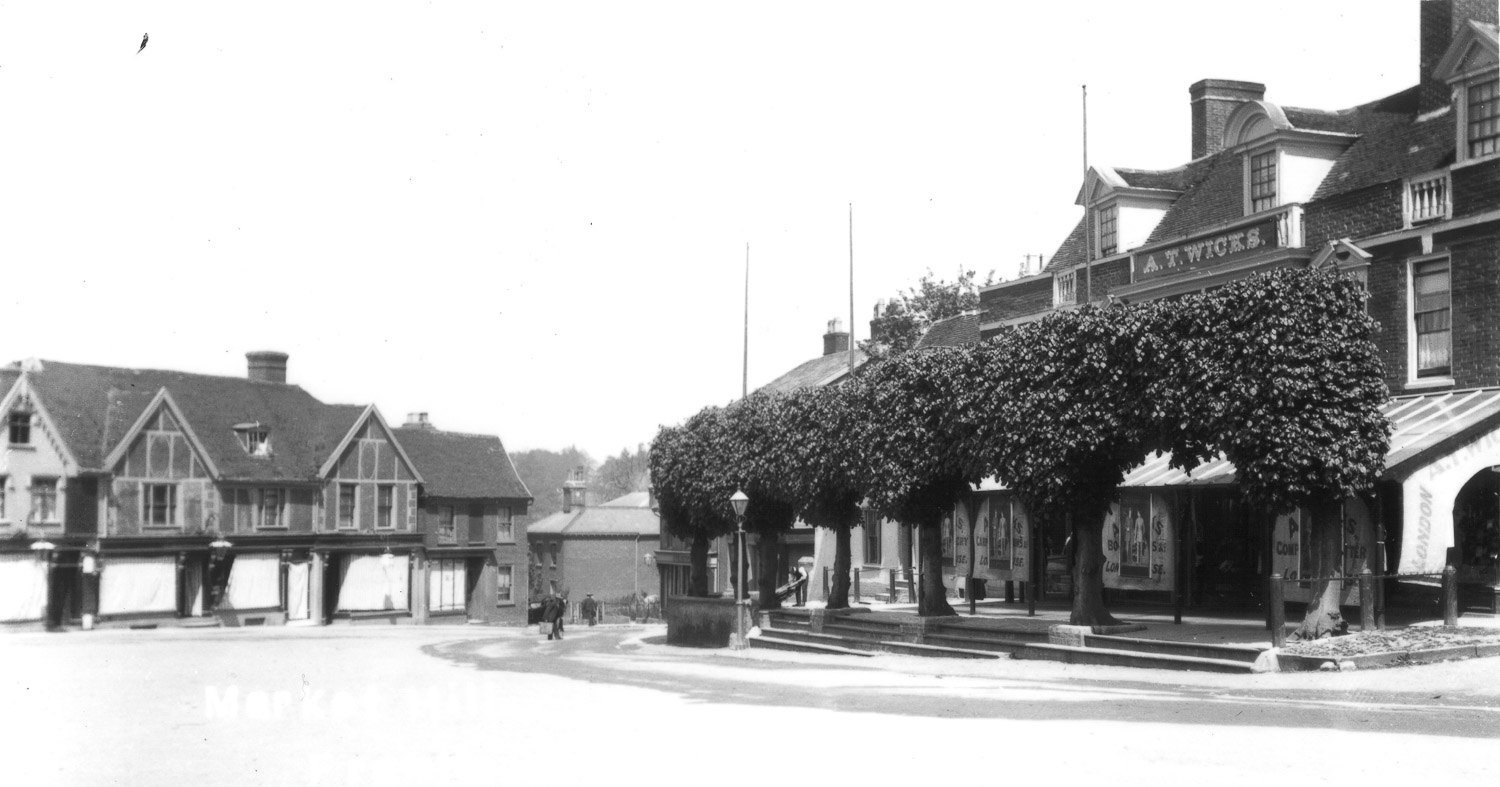 The Guildhall, occupied then by A T Wicks store, 1900s?
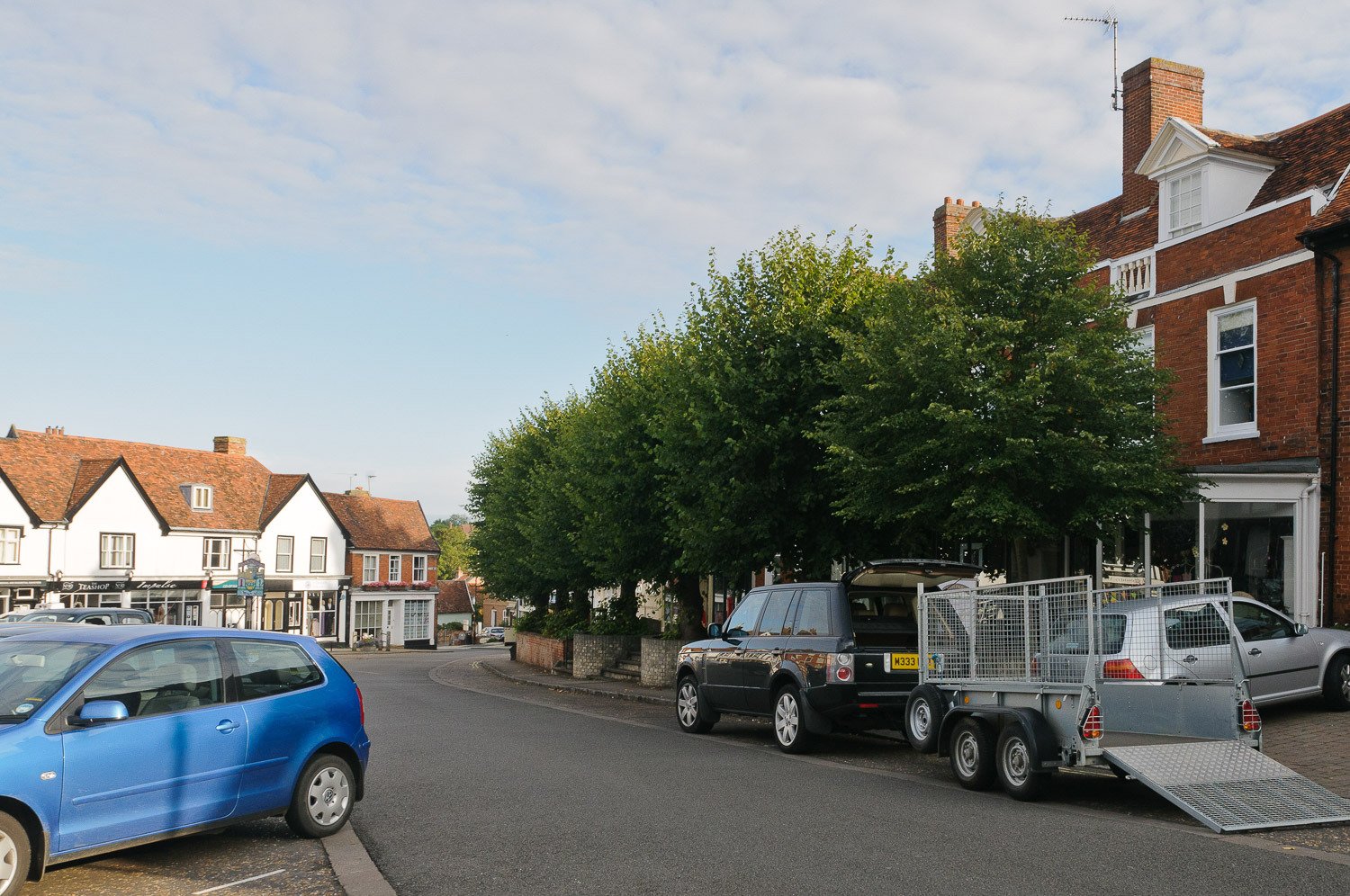 The Guildhall, barely vidible behind trees
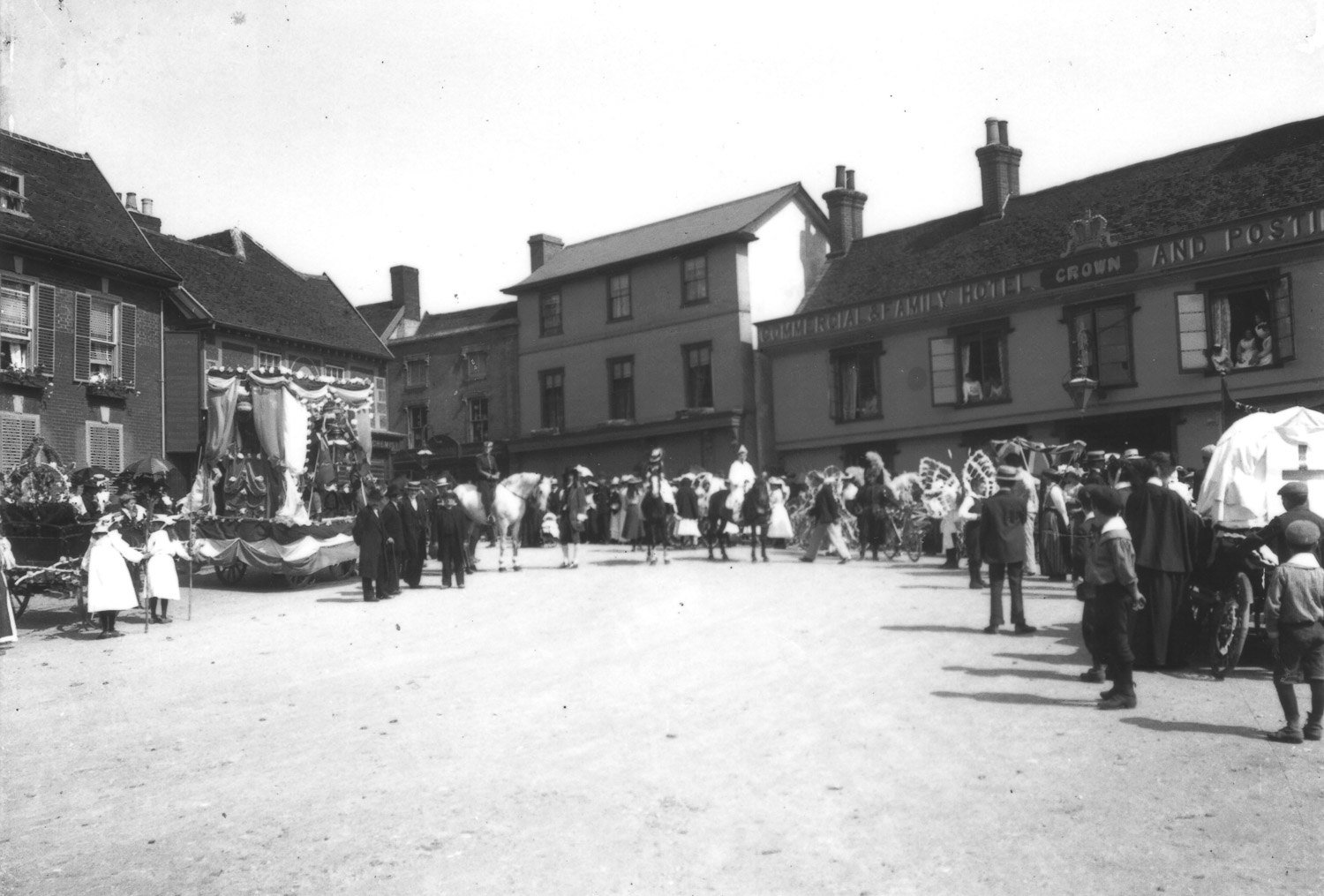 Fram Pageant?
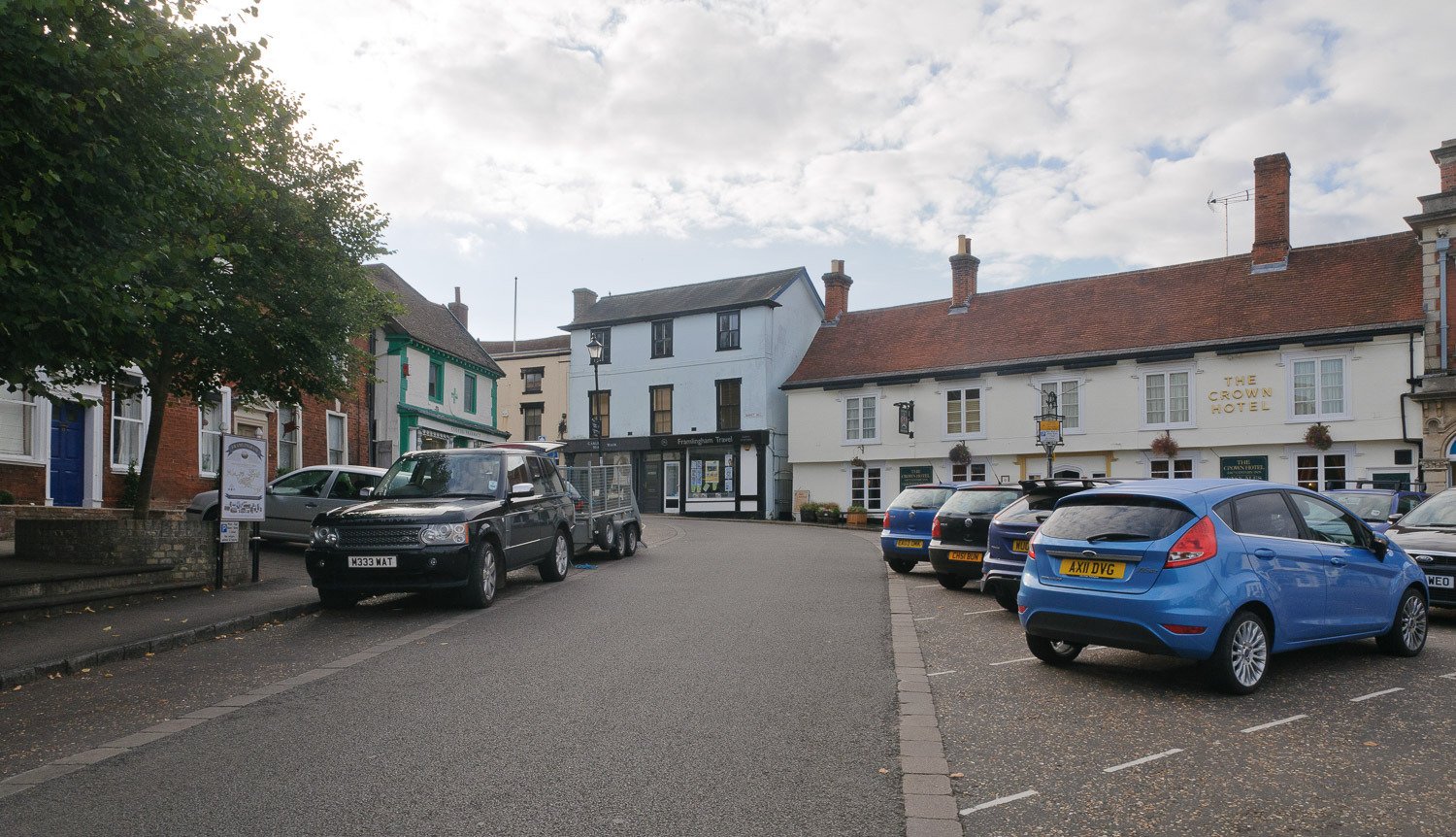 Early on a Sunday morning, with a relatively empty Market Hill
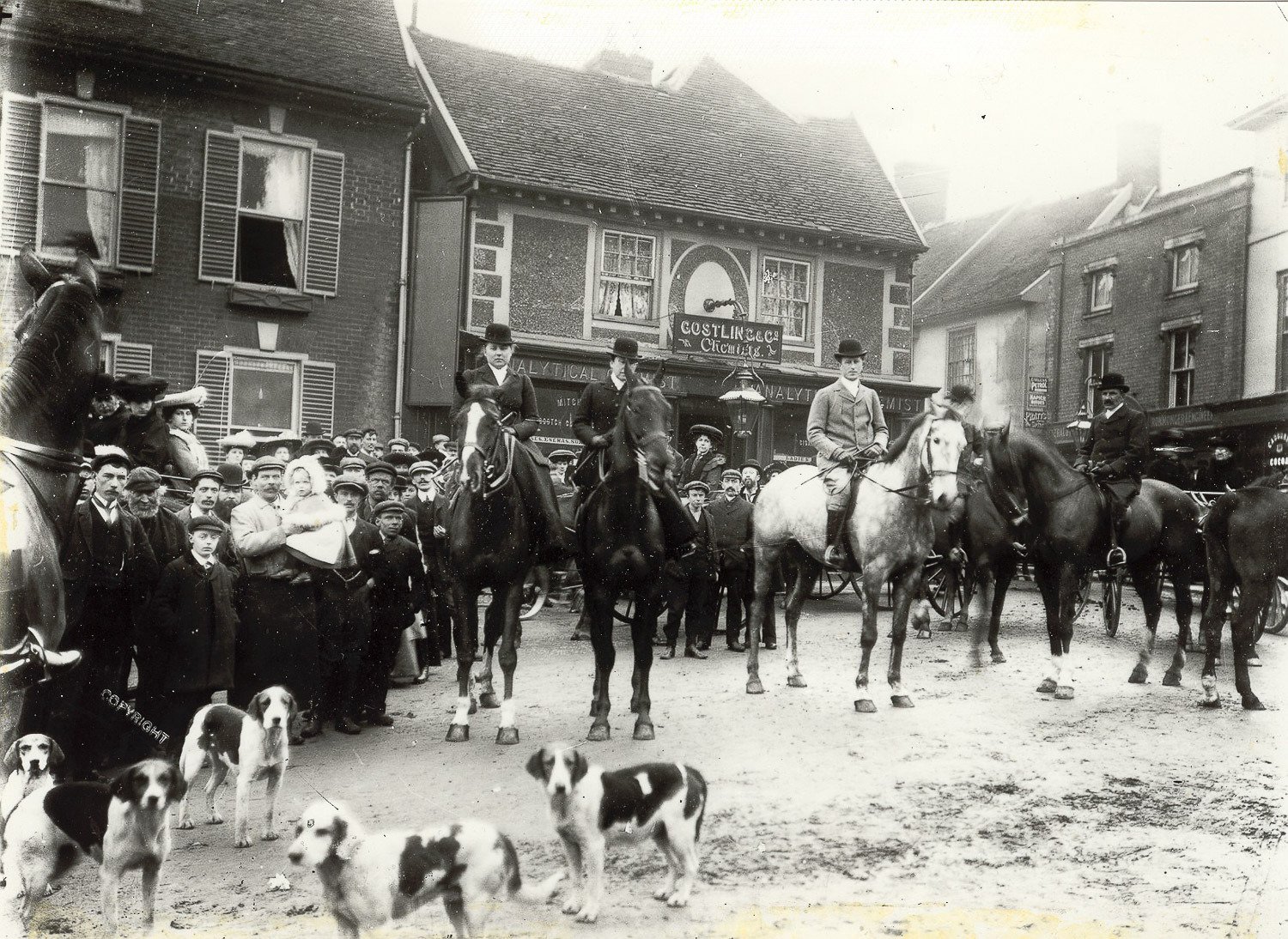 The Hamilton Harriers acquired their name from the Duke of Hamilton who lived at Easton Park. The Market Hill was a popular meeting place. The date is January 1906.
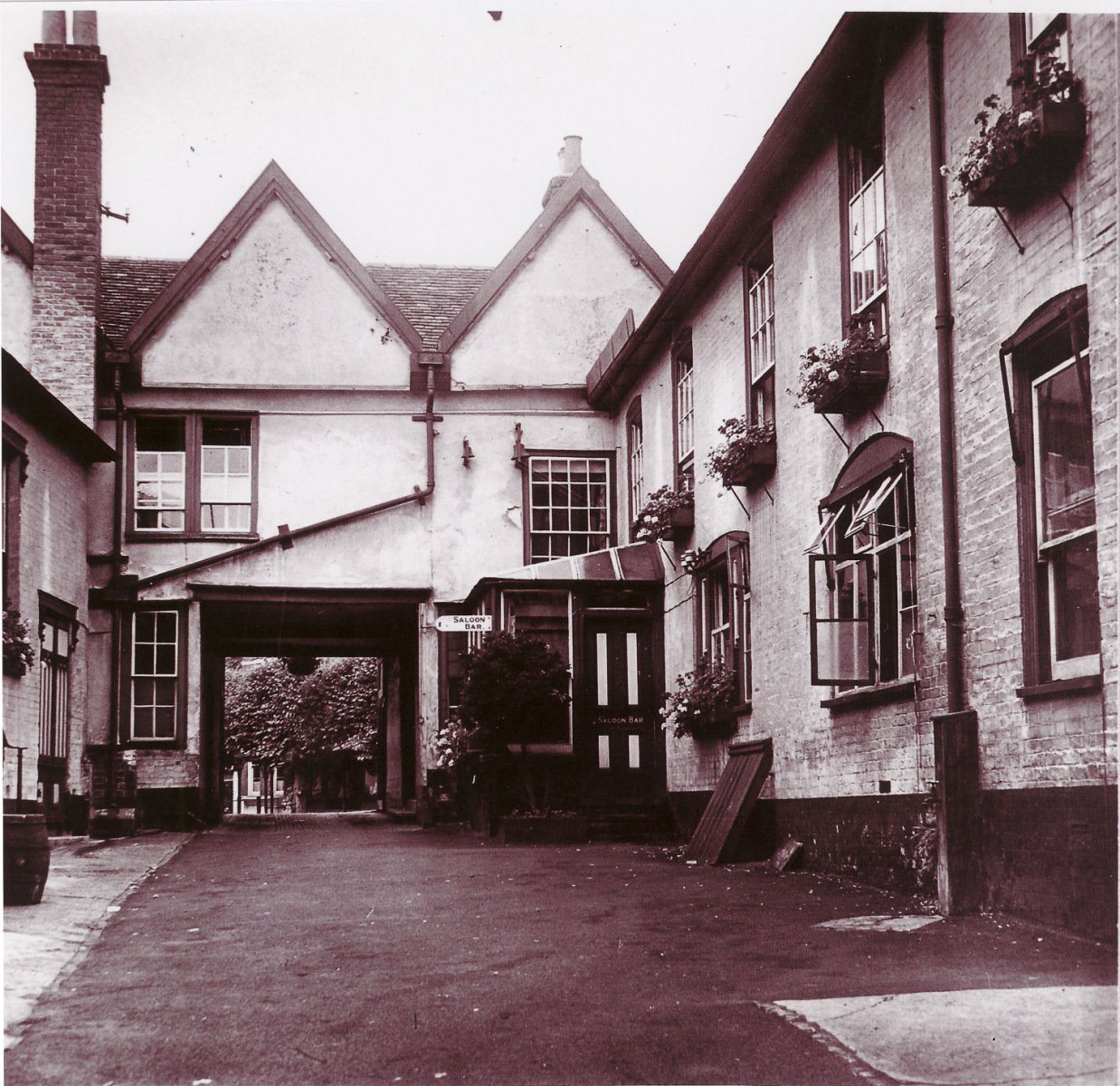 Rear view of the hotel, at some time prior to the enclosure of the coachway in 1952.
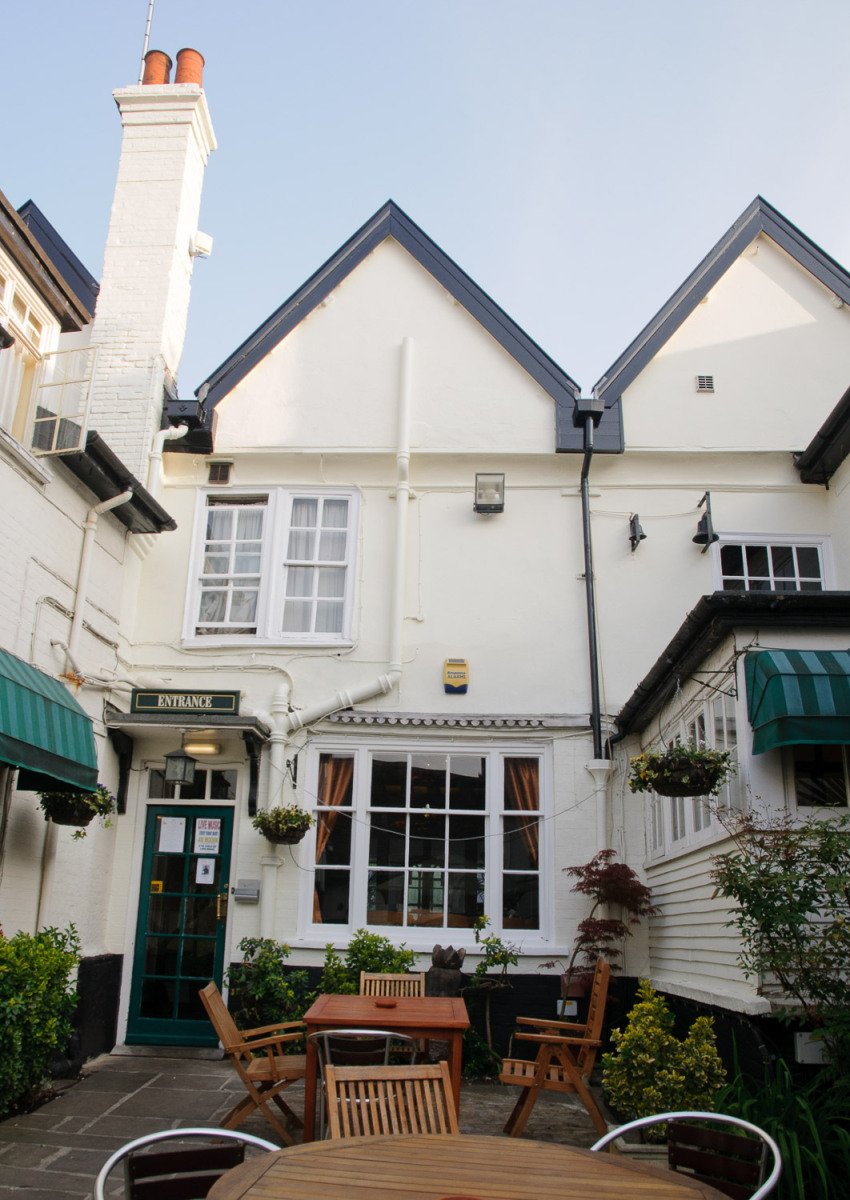 Rear of the Crown Hotel. The former passageway for horses now closed in.
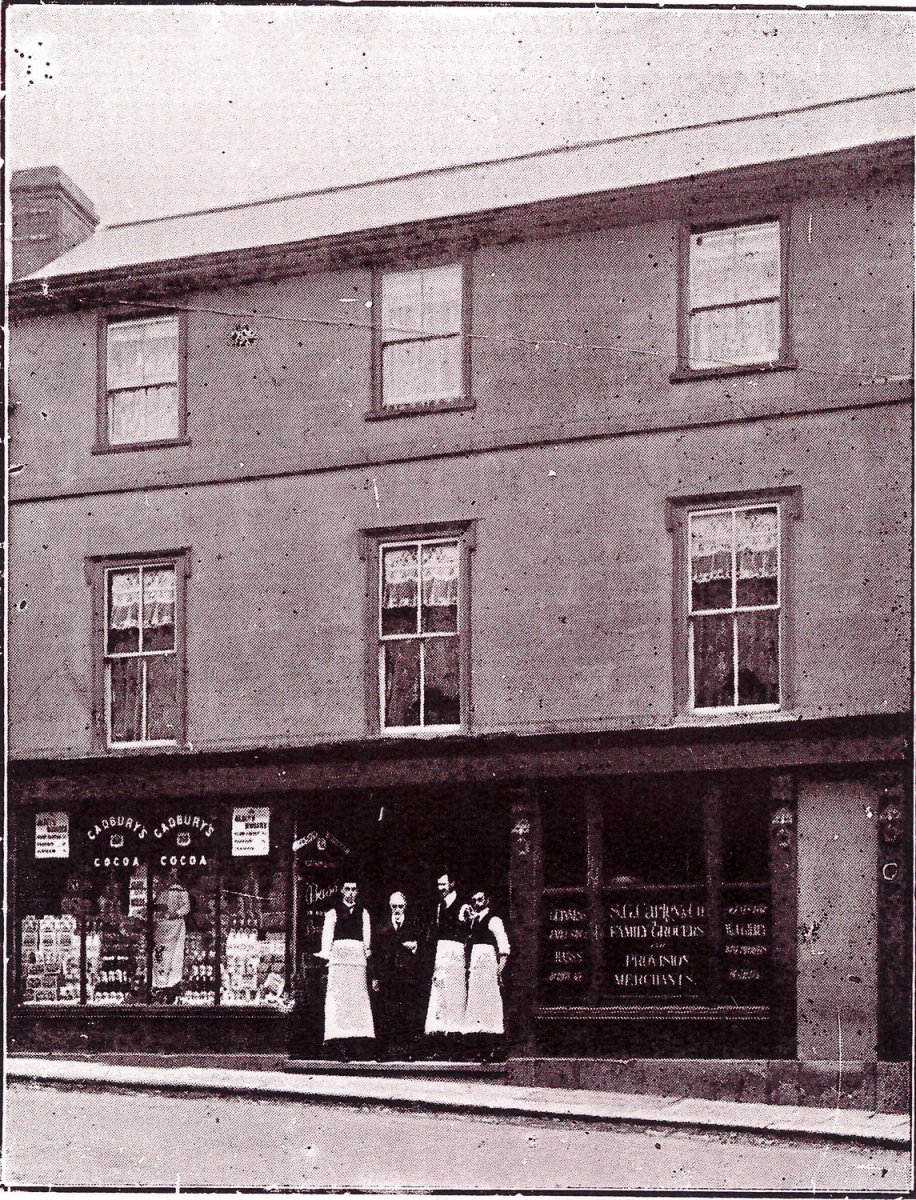 Samuel Green Carley established his grocery shop on the Market Hill around 1860. It was to become one of the foremost grocery businesses in the county. Regular customers had a gold embossed red account book, and had their orders delivered. The business became “Carley and Webb”, and traded into the 21st century with various changes, but sadly no longer. The photo quality is poor, but the only one available
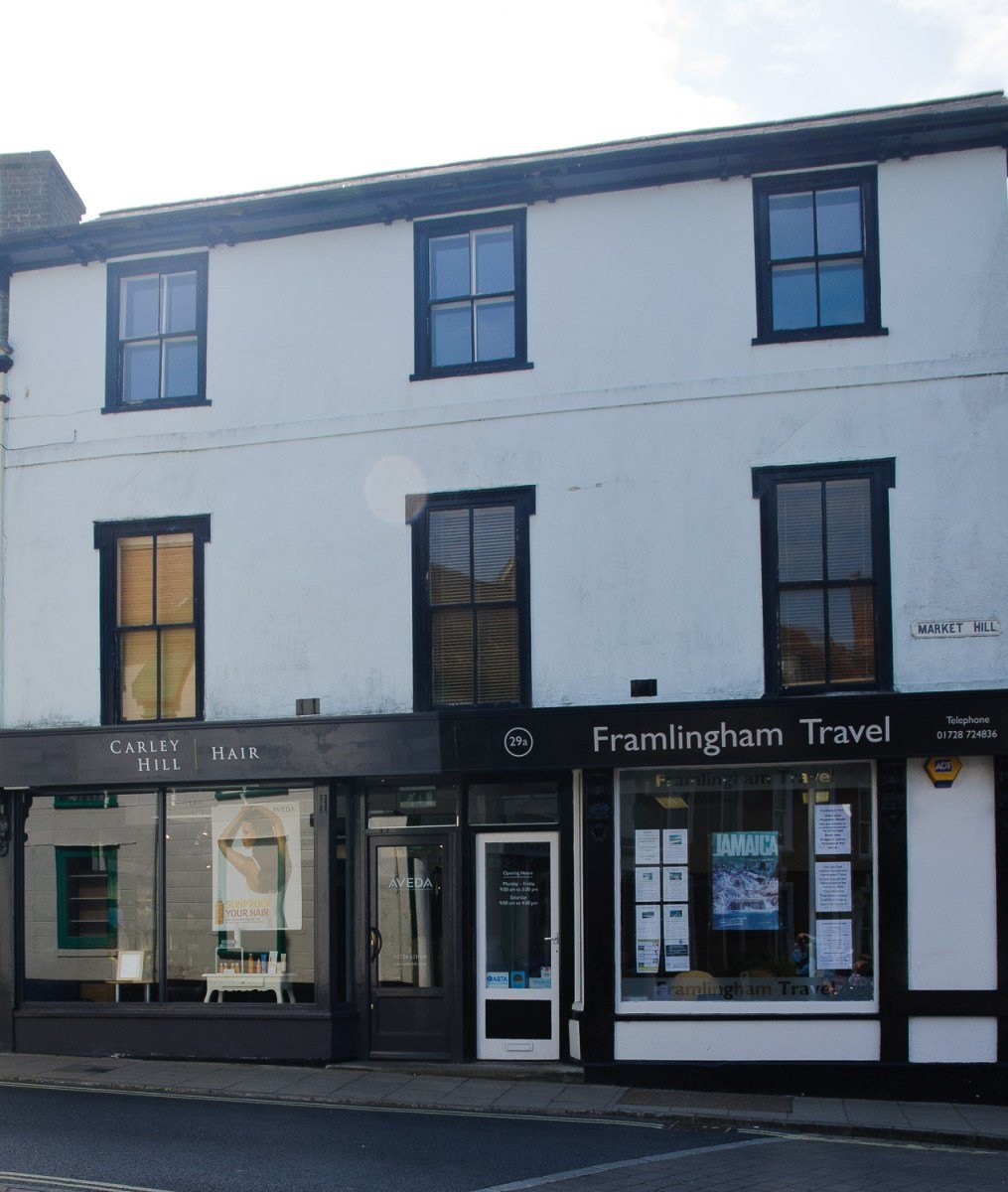 The former “Carley and Webb” grocers, now split into two shops
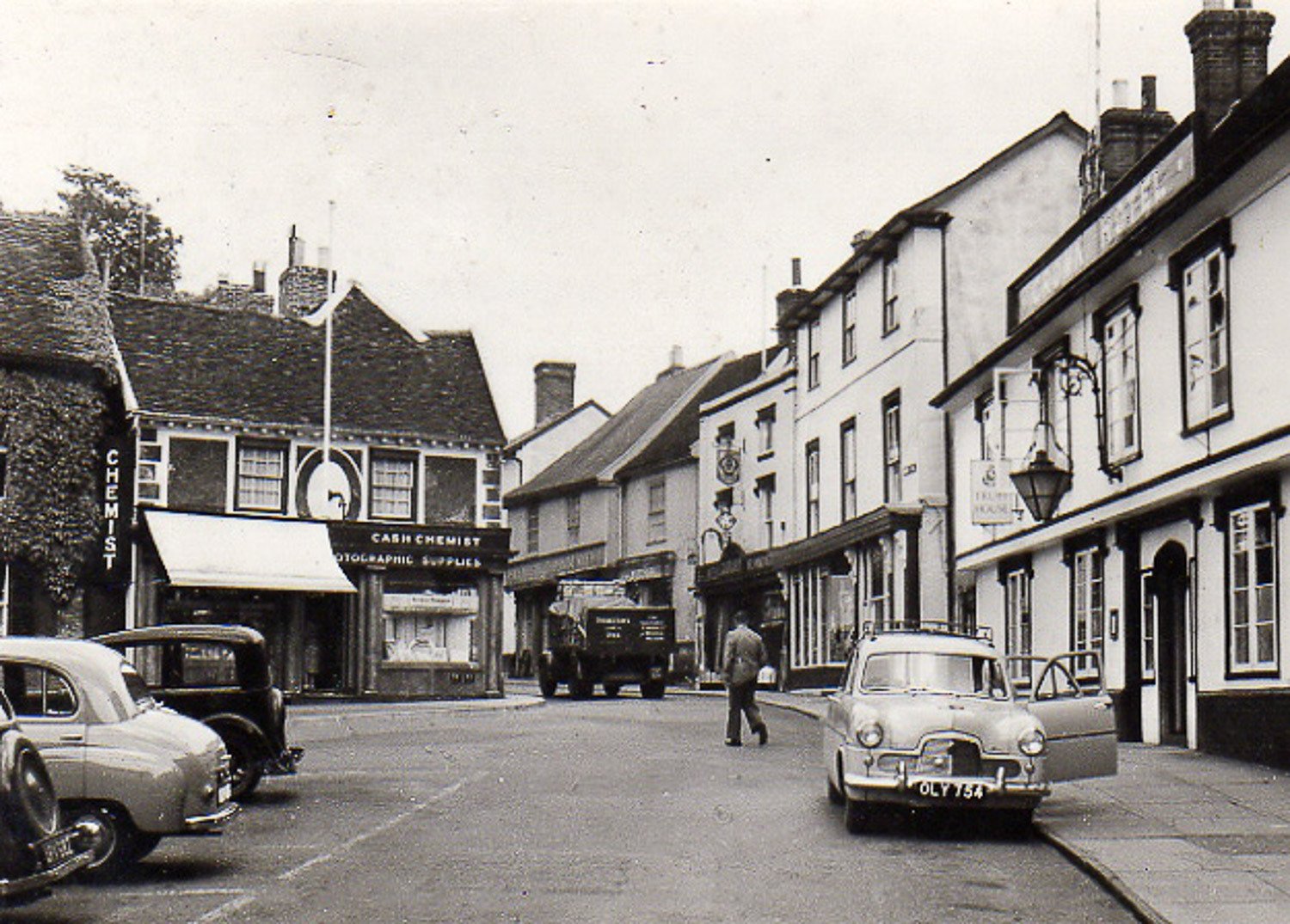 Ford Mk. 1 Zodiac outside the Crown Hotel, late 1950s. Note the remains of ornate gas lamps to the frontage of Stevens, Garrards and the Crown Hotel
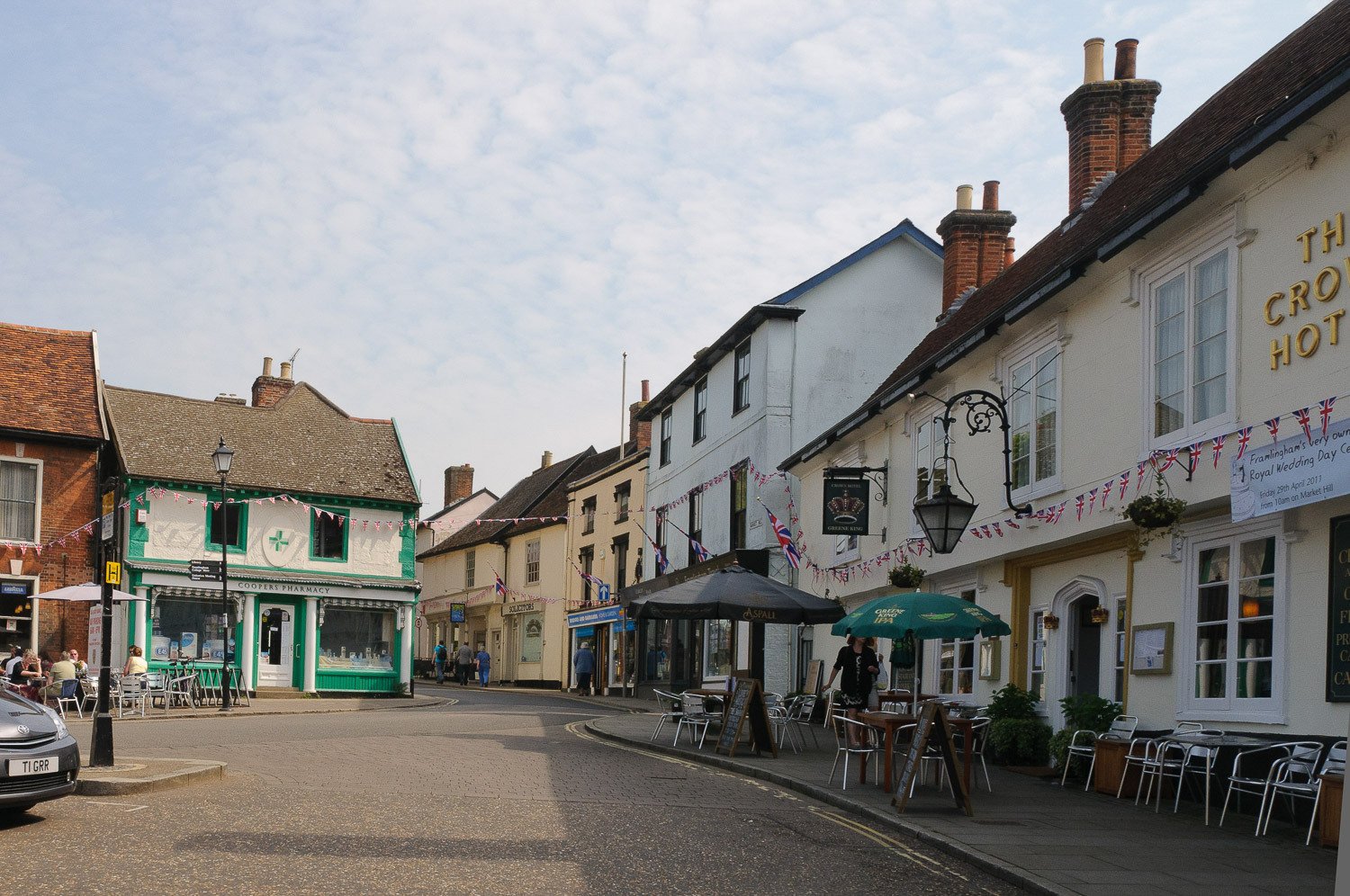 Market Hill. Little has changed since the 1950s, except for the tables for outside the Crown and the cafe (to the left of the pharmacy)